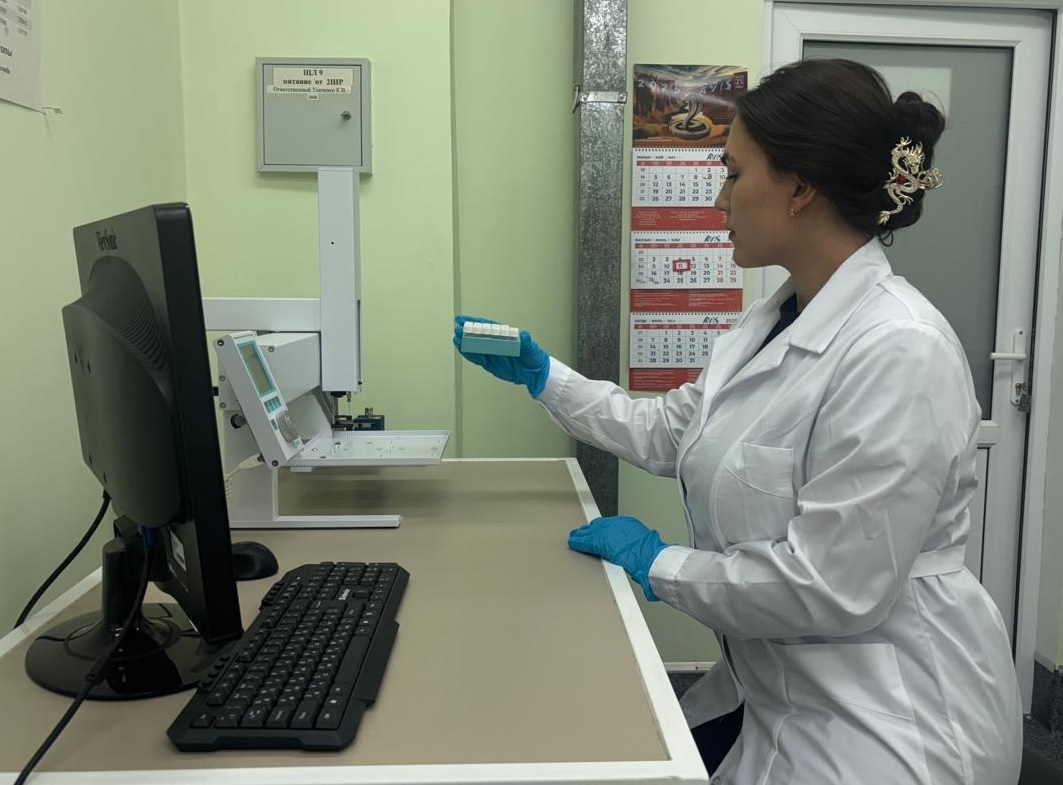
The main areas of the Department of Monitoring, Ecological and Analytical Research are:
- ensuring the operation and development of radiation monitoring in radioactively contaminated areas;
- conducting ecological and analytical research to assess the environmental health.
As part of research, the department performs the following types of work:
Assessment of aquatic object state
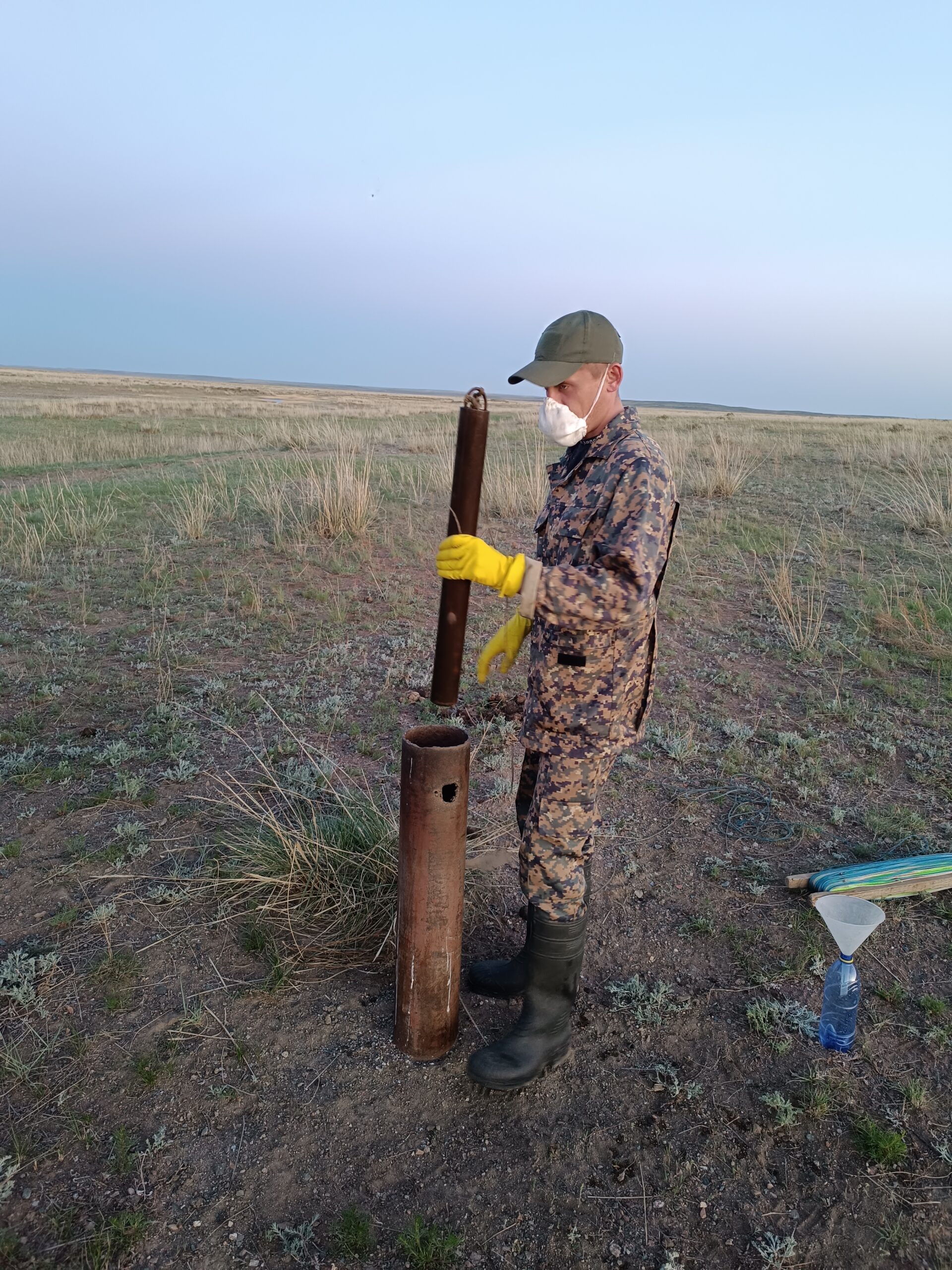
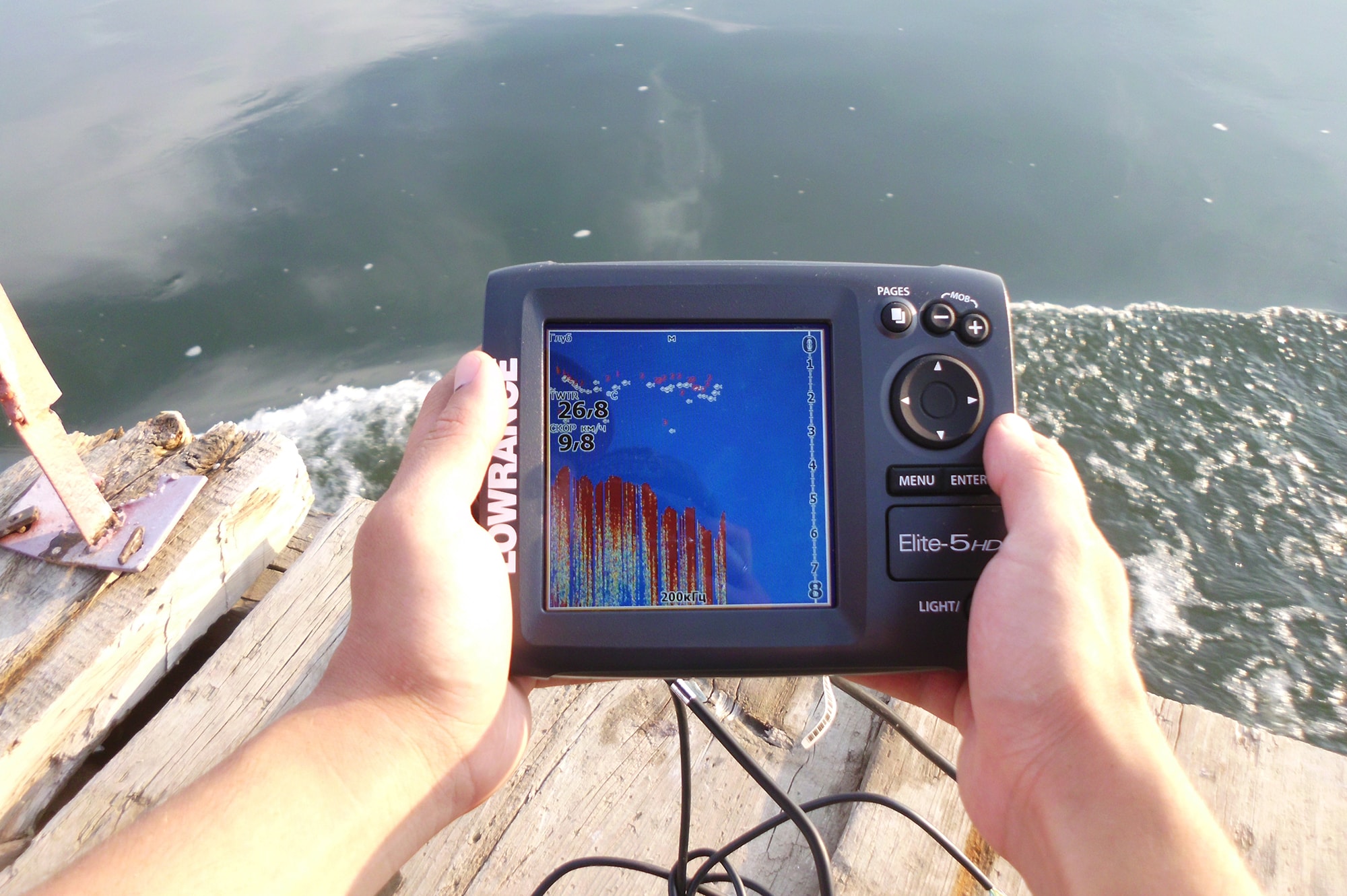
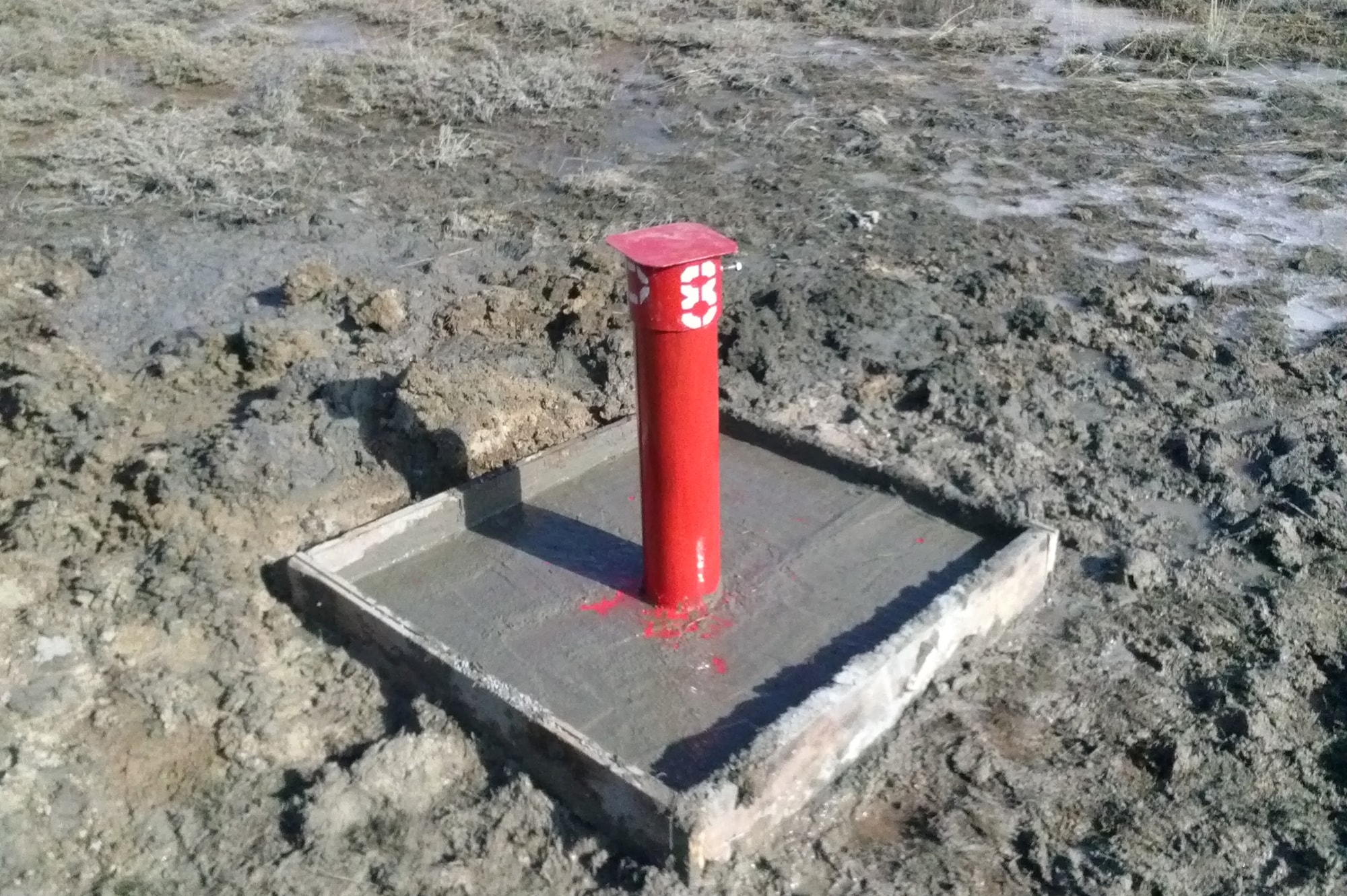
- Determination of the content of natural and man-made radionuclides in surface and ground waters in radioactively contaminated and adjacent areas.
- Quality control of objects of water use by the radiation sign in the places of economic activity and in areas of residential complexes.
- Determination of the general chemical and elemental composition of water in various objects of water use to verify the compliance with standards of sanitary rules ‘Sanitary and epidemiological requirements for water sources, places of water intake for household purposes, water supply and places of cultural and domestic water use and safety of water bodies’.
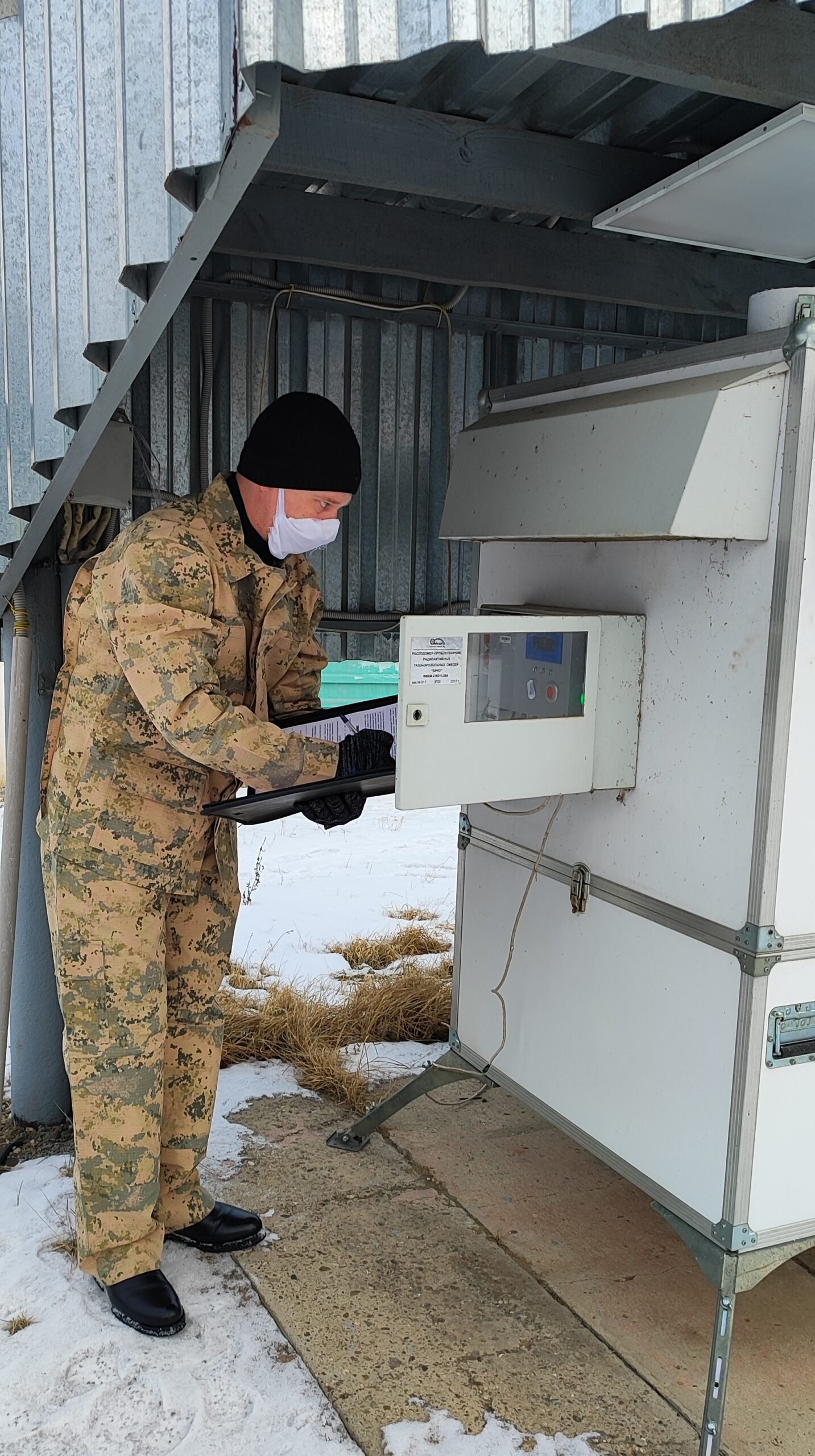
Quality assessment of ambient air
- Determination of the content of natural and man-made radionuclides in the ambient air.
- Identification of climatic contributors to air contamination.
- Research into regularities of migration processes of radionuclides in the air.
- Determination of the content of tritium in the air in areas affected by radiation hazardous objects.
Gamma-spectrometric measurements
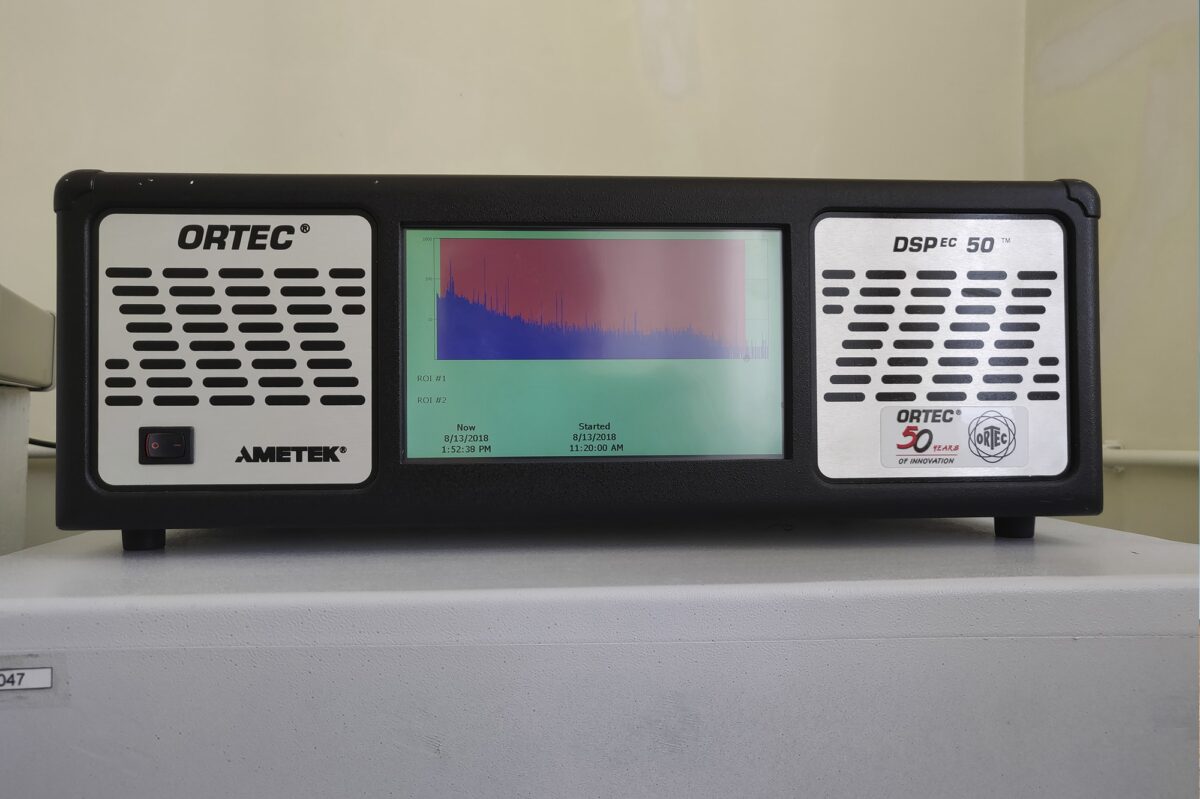
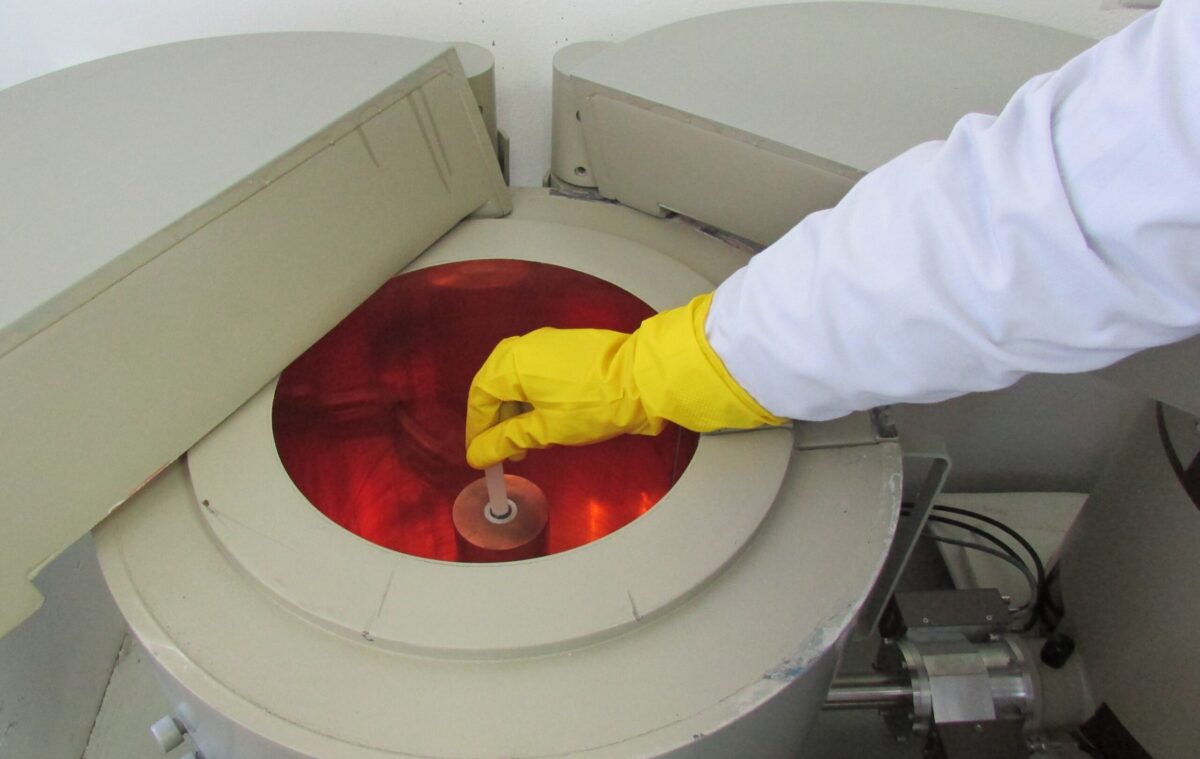
- Determination of activities of man-made (241Am, 137Cs, 152,154,155Eu, 60Co) and natural (40K, 226Ra, 228Ac, 210,212,214Pb, 235,238U) radionuclides in environmental objects and biosubstrates using solid-state high purity germanium-based detectors from worldwide leaders in this field – Canberra and Ortec.
- The sensitivity of the gamma-spectrometric technique is in the order of 0.5 Bq/kg.
Determination of 3Н and 14С
- The determination of 3Н activity in free and organically bound form. The preparation of counting samples of 3H in the organically bound form (plants, foodstuffs) using the automatic installation Sample Oxidizer. Samples were analyzed with a low-background spectrometer Quantulus 1220. The analytical sensitivity for 3H in the water – about 5 Bq/l.
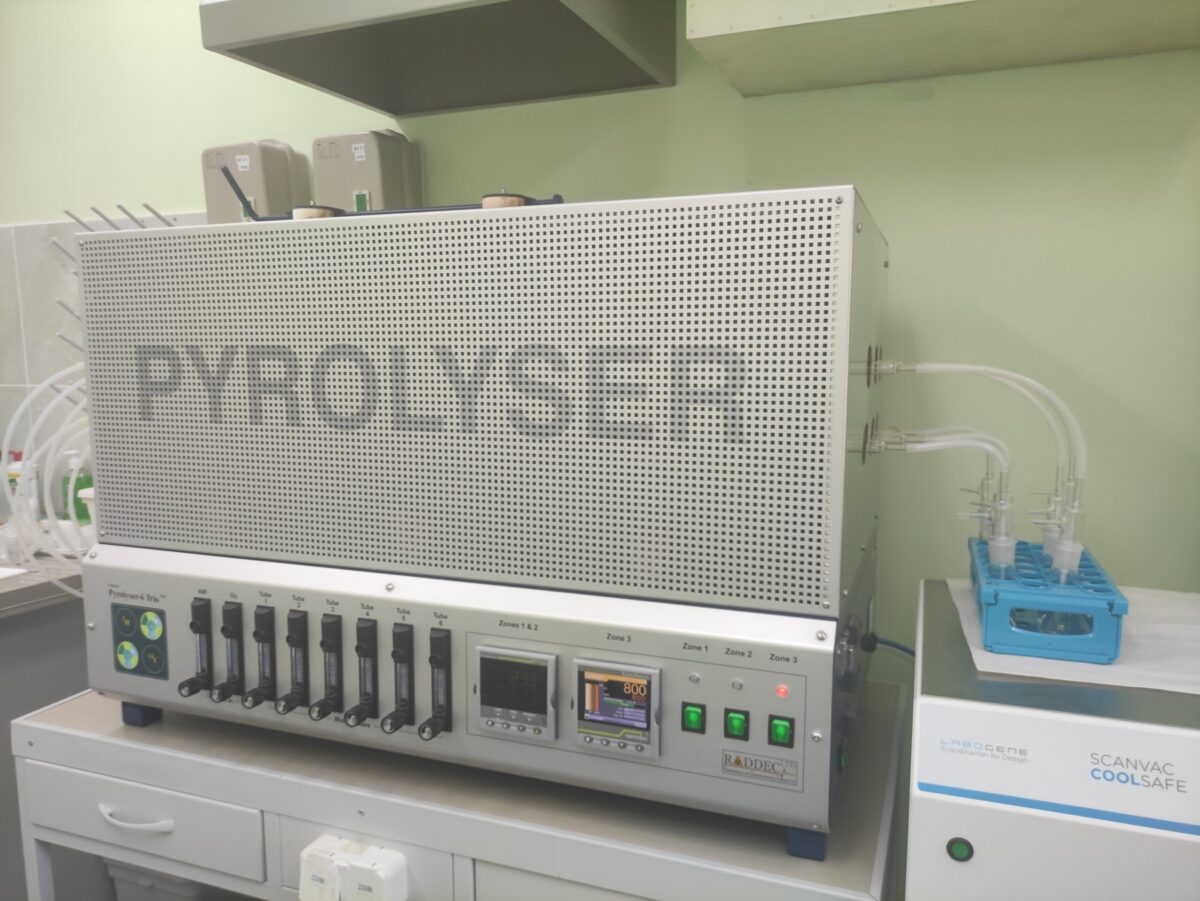
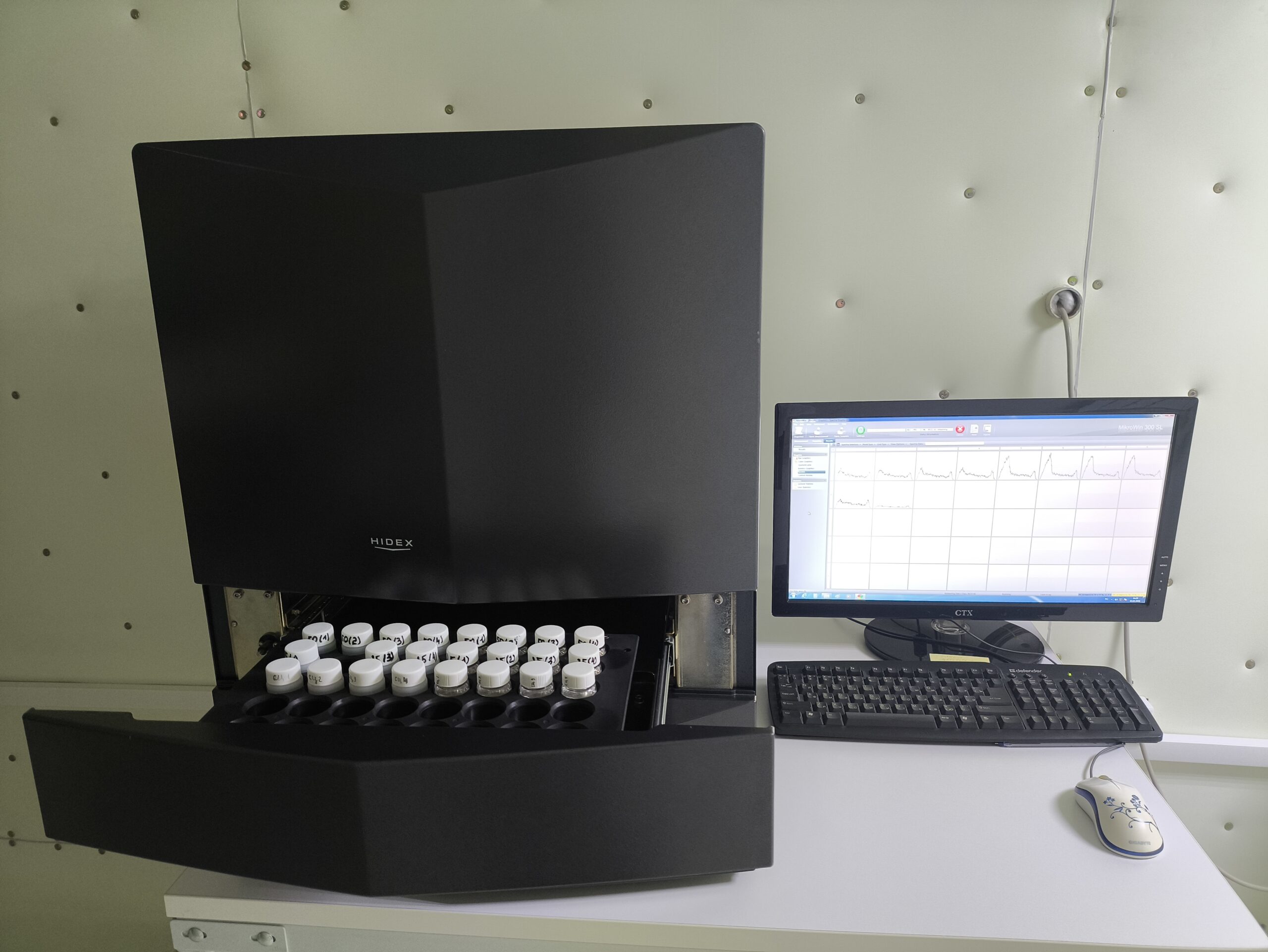
- 14С activity is determined using ‘Pyrolyser-6 Trio’ in any materials and environmental compartments (soil, bottom sediments, foodstuffs, biota, building materials, metals and biosamples). Samples are analyzed with an alpha-beta-radiometer SL-300 Hidex.
Geological engineering surveys
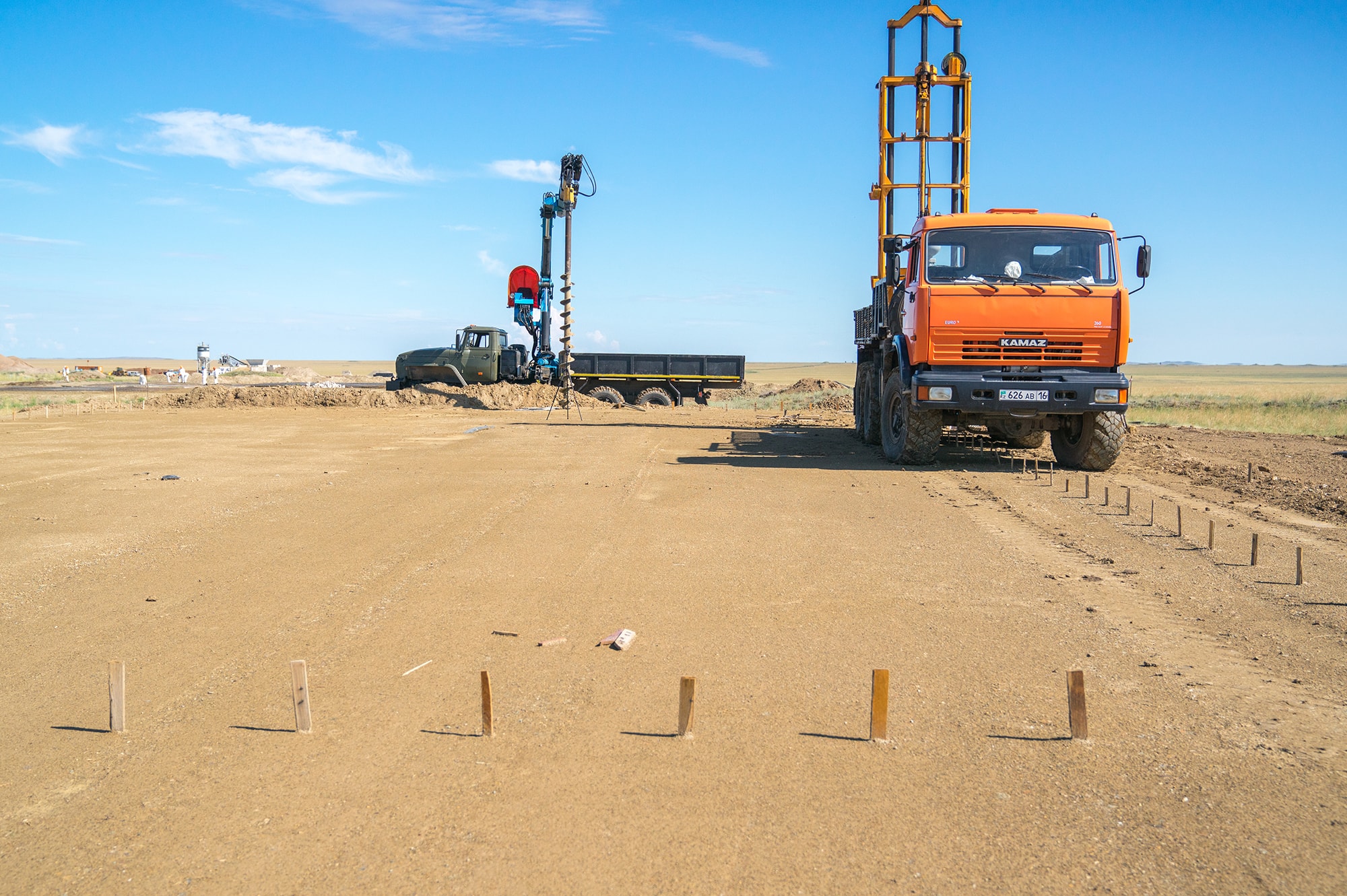
- A range of hydrogeological research (the flow velocity, the flow rate, the level of surface waters, the flow direction, the discharge and filtration coefficients) into ground waters. Geological engineering surveys with soil and water sampled by drilling operations, the borehole depth by the auger-type method — as deep as 70 m, by the air hammer one – as deep as 100 m.
Isotopic analysis
- The determination of formation mechanisms of surface and ground waters and sources of their contamination with radionuclides, the isotopic analysis of precipitation and water using an isotope hydrology technique. The technique is based the determination of stable 18О/2Н ratios in the water with a laser isotope analyzer LGR 912-0008.