Research into parameters of radionuclide migration through the food chain
Research into features of radionuclide redistribution amidst environmental components is one of the main scientific fields of the department:- Research into the distribution of radionuclides in particle-size fractions of soil.
- Research into species (mobility) of radionuclides in soil.
- Determination of physical and chemical soil properties.
- Research into features of spatial and vertical migration of man-made radionuclides in the land cover.
- Experimental assessment of the entry of radionuclides into animal products, when produced in a radioactively contaminated area.
- Experimental assessment of the transfer of radionuclides to crop products when raised in a radioactively contaminated area and the study of contributors to this process.
- Environmental sample preparation for radionuclide and elemental analyses.


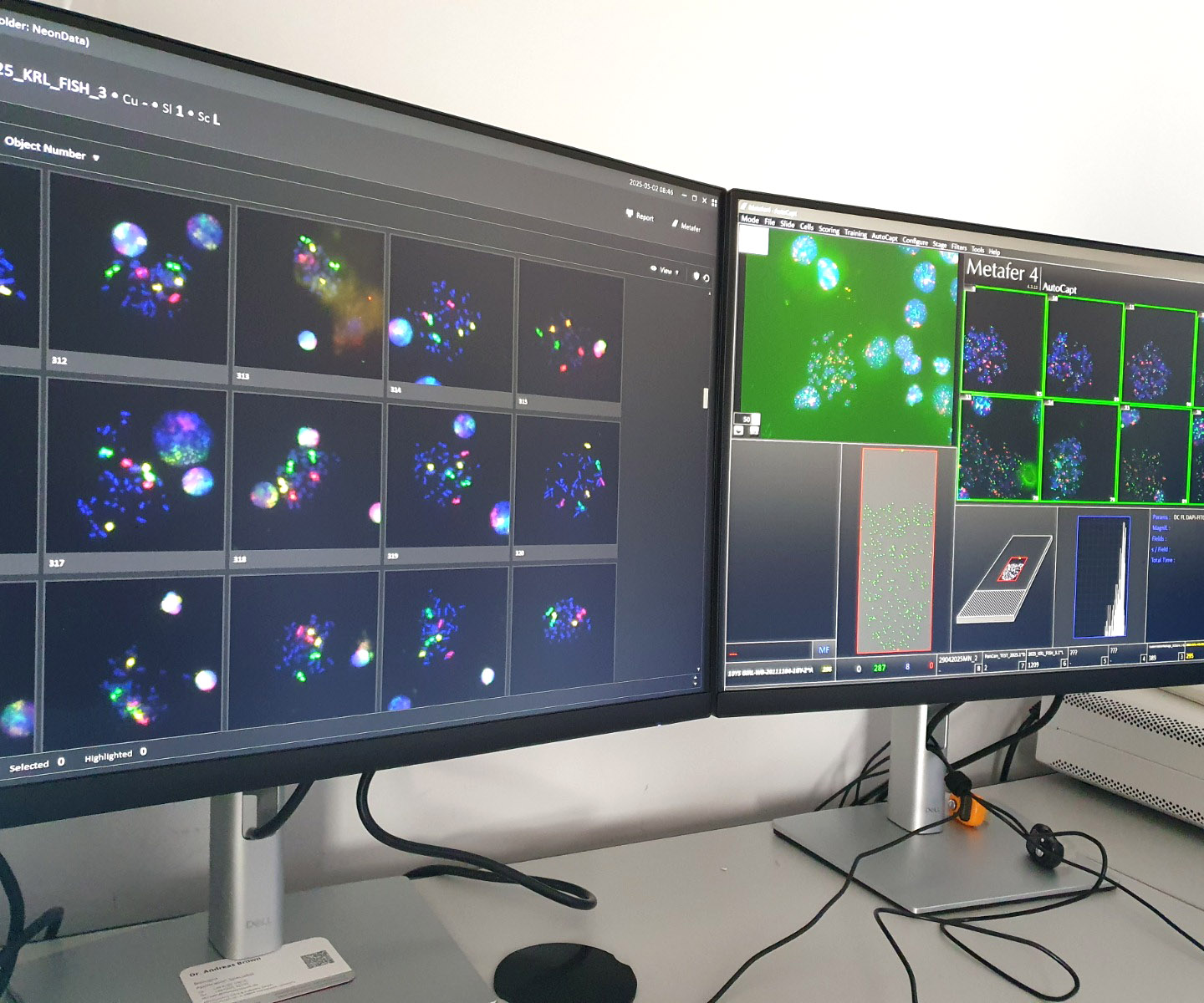
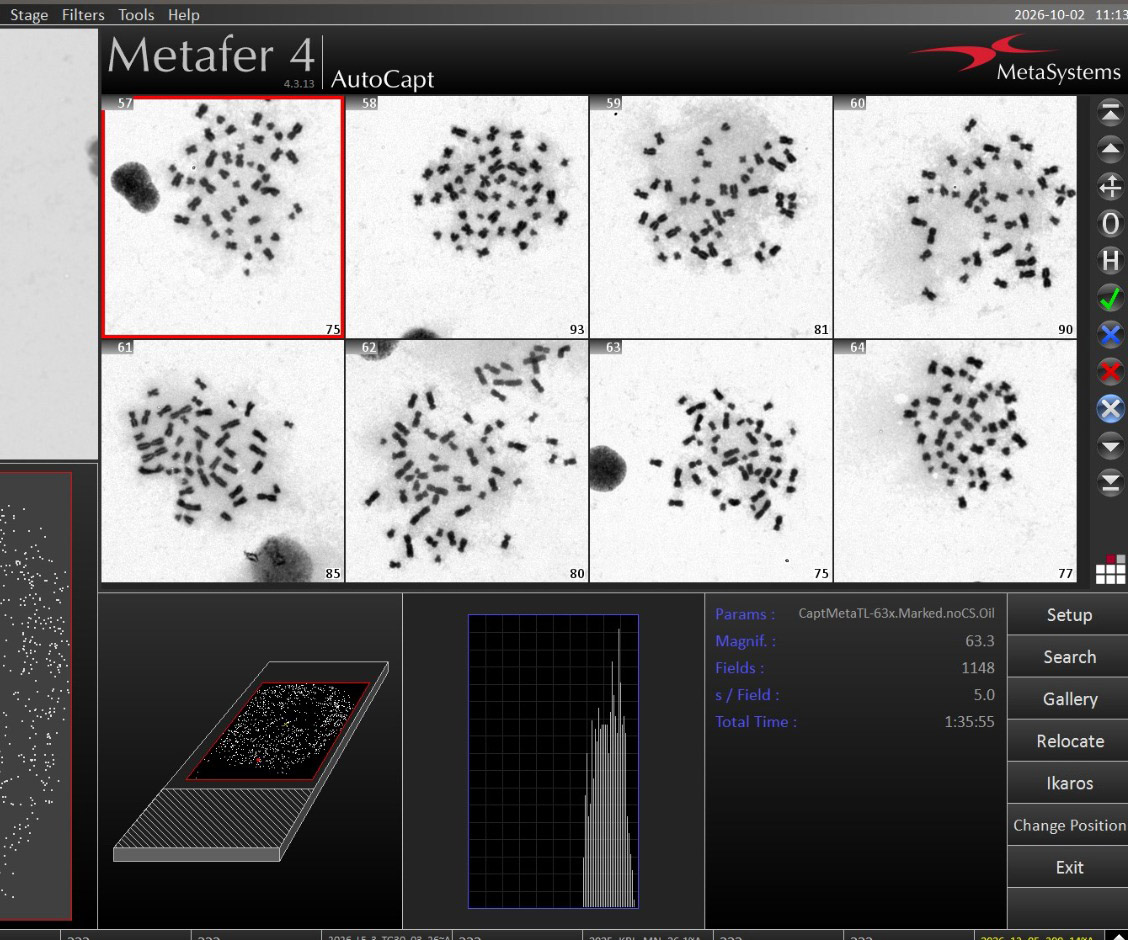
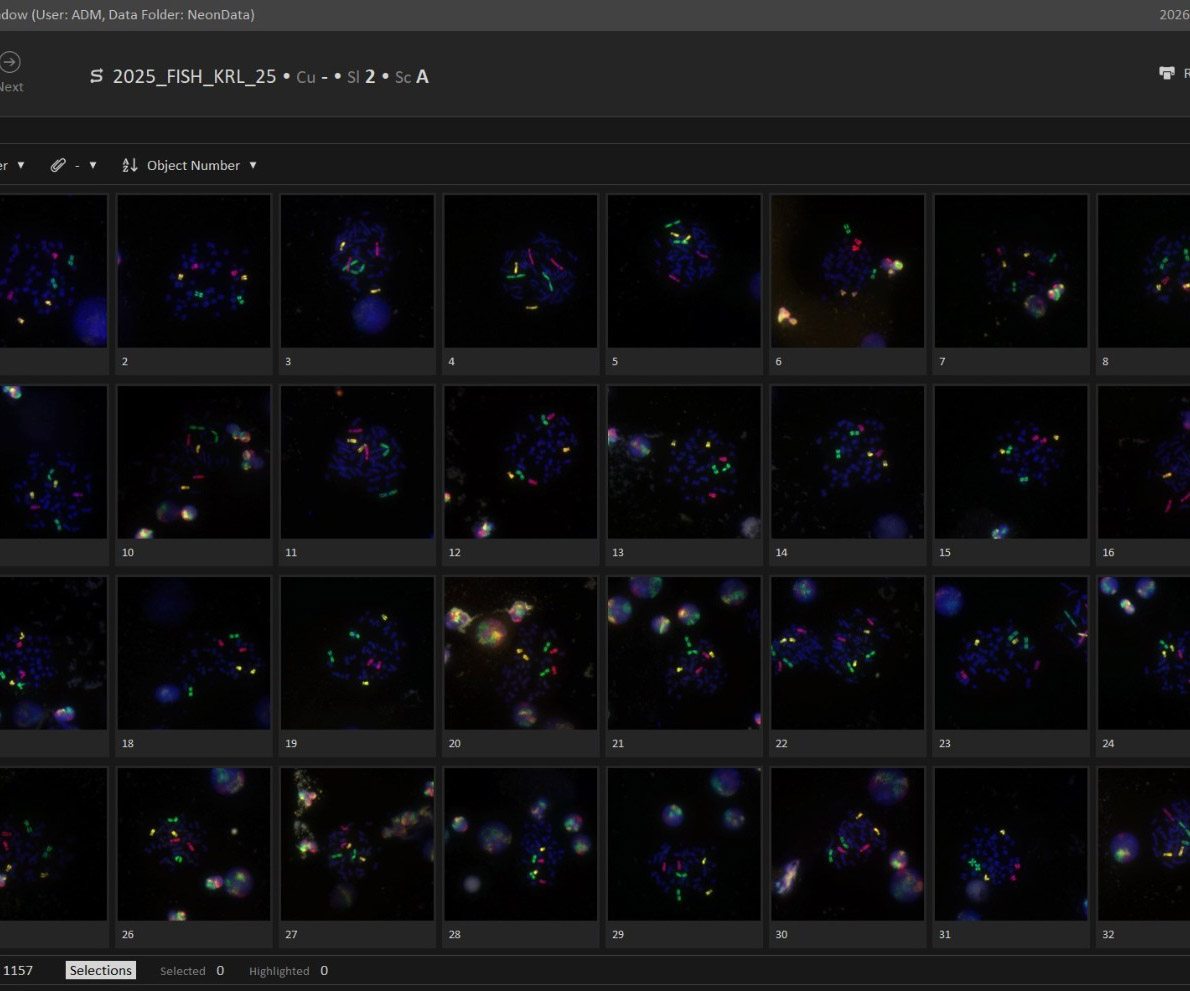
Main areas of activity:
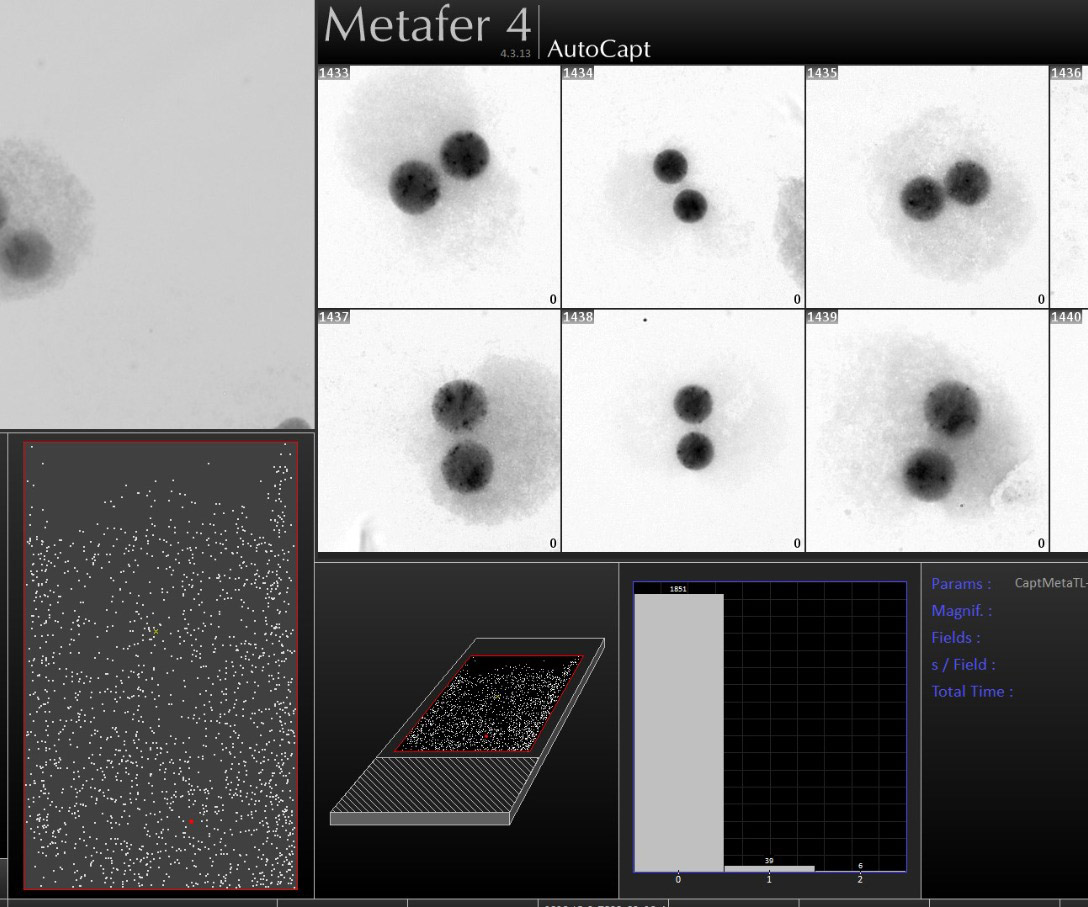
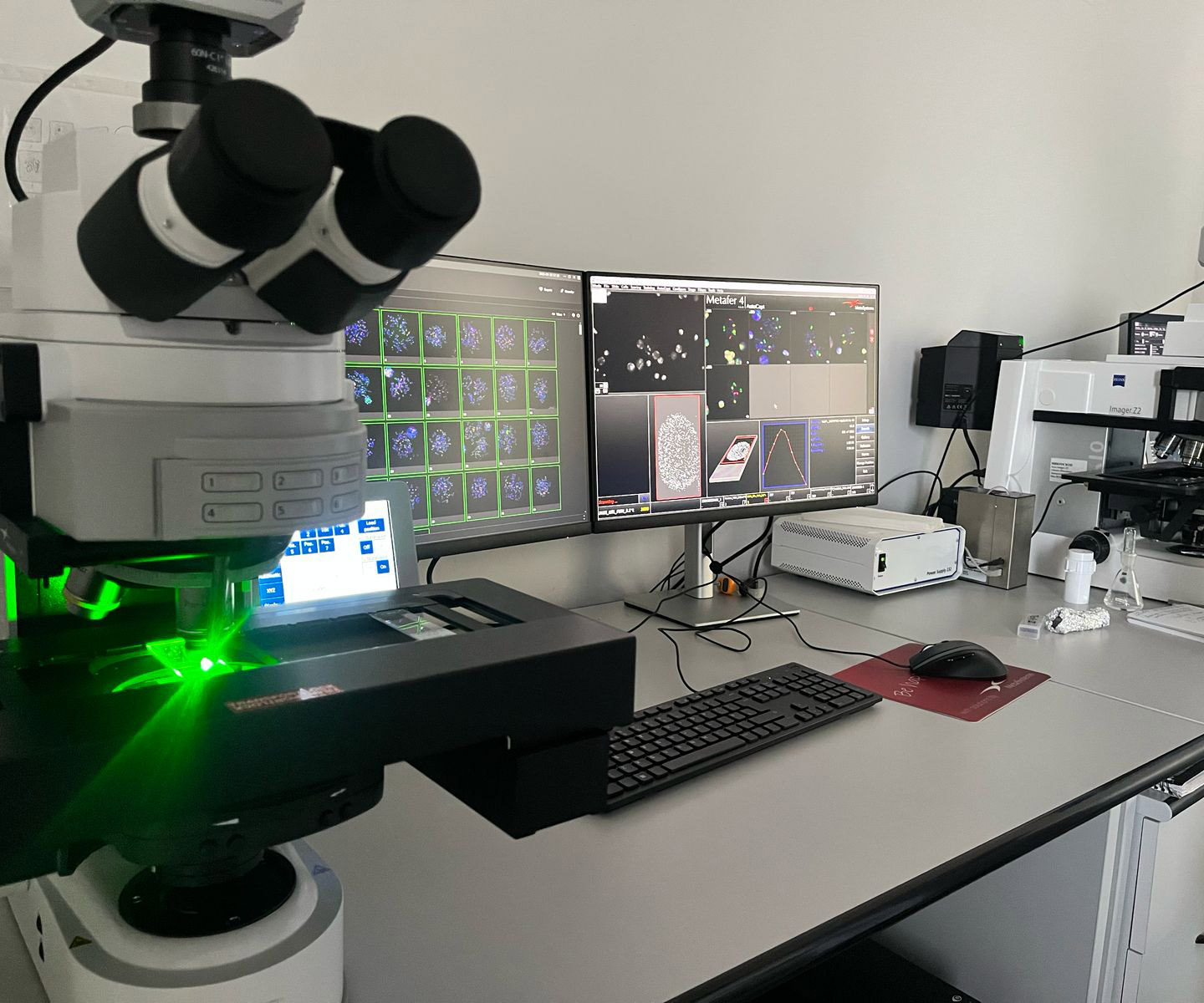
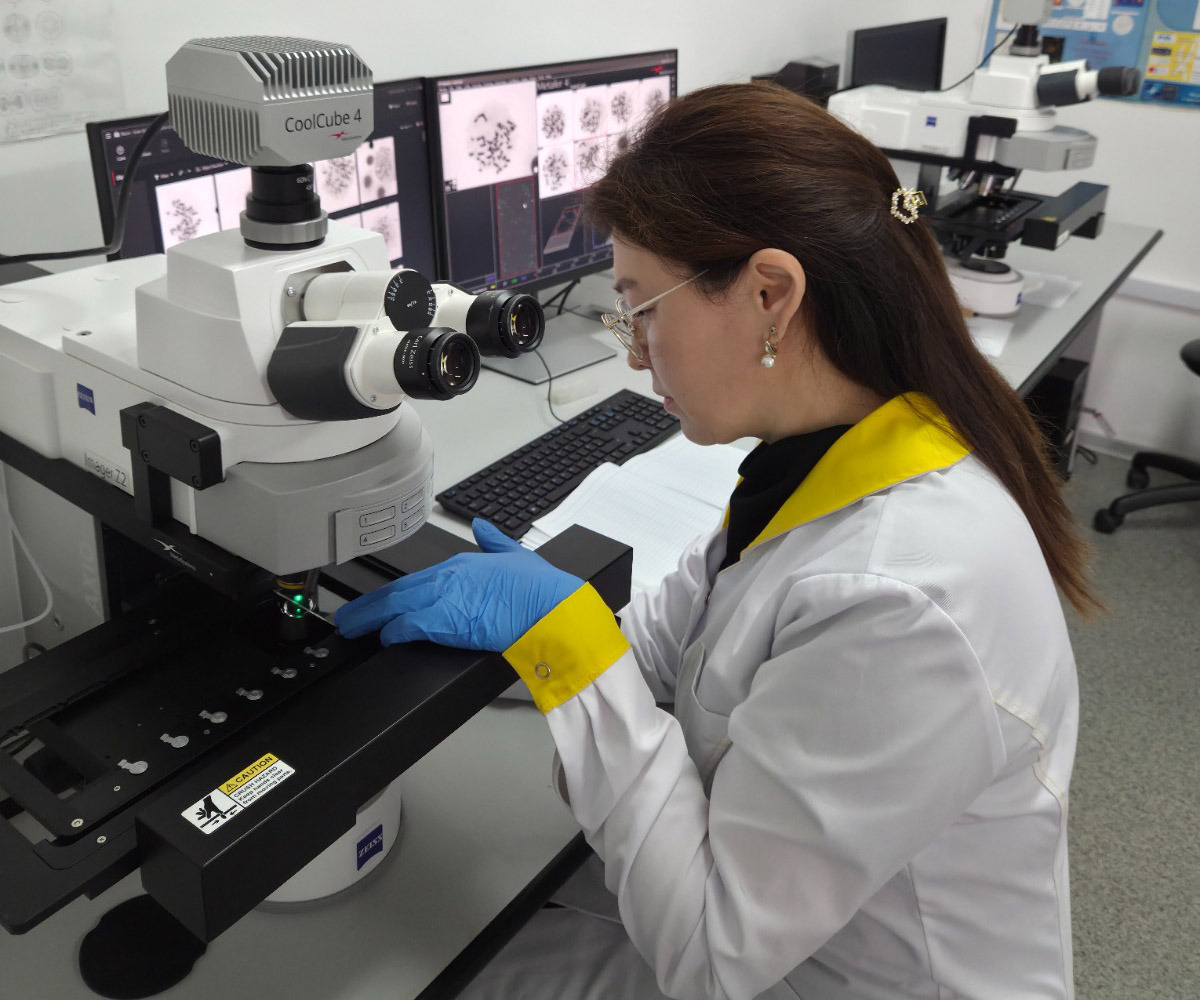
- Emergency biodosimetry — quantitative assessment of individual absorbed doses in radiation emergencies and incidents; biodosimetric triage of affected persons according to dose level to support medical decision-making.
- Retrospective biodosimetry — quantitative reconstruction of individual doses from previous and chronic exposure of individuals using cytogenetic markers.
- Cytogenetic biomonitoring of humans — assessment of genotoxic effects of radiation, chemical, and combined environmental and occupational factors.
Assessment of environmental factors impacting man and wildlife
This field includes the following types of activities:- morphoanatomical research into plants;
- cytogenetic research into plants;
- calculations of the individual absorbed human dose for different exposure scenarios using cytogenetic biodosimetry procedures: a dicentric technique, a micronucleus test with cytogenesis blocked, fluorescence hybridization in situ.